Passive Fire Protection Services

Help contain fire and smoke giving occupants time to escape in an emergency.

Midland Fire provides managed passive fire protection solutions for commercial, industrial and public sector premises. Protecting people and property in the event of a fire.

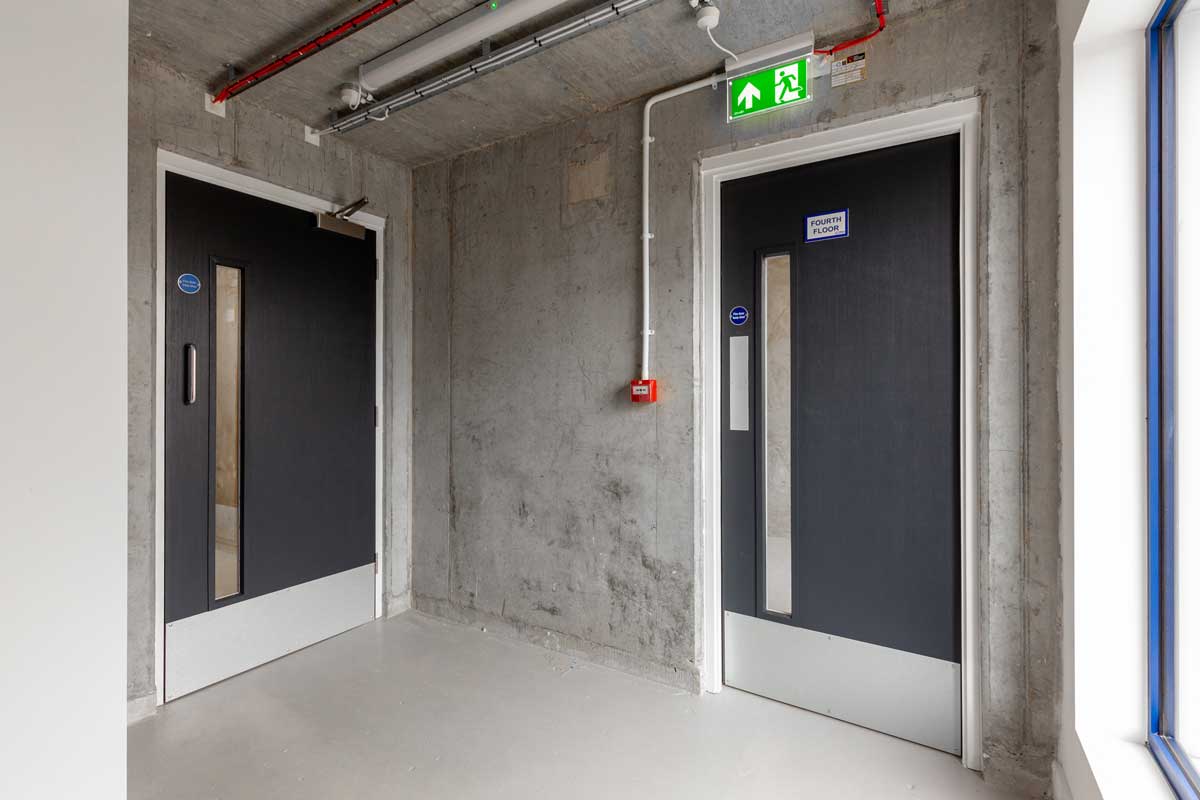
Whether you are looking to replace or install new Fire Doors or add fire / smoke compartmentation to large open spaces, Midland Fire can help meet your legal obligations while protecting your visitors and staff.
Get a quote 01283 741000
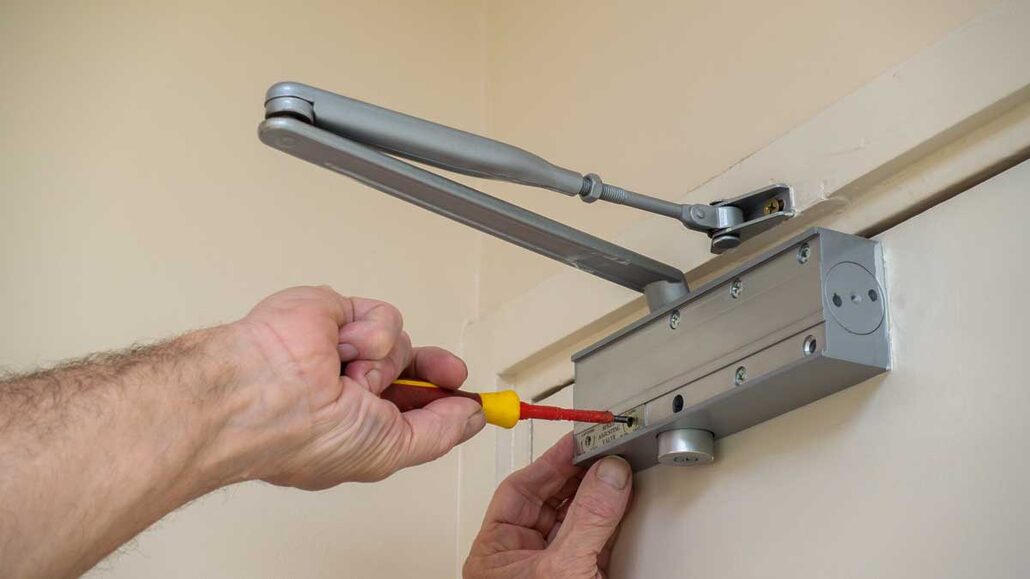
Fire door installation by midland fire

What is Passive Fire Protection?

Passive fire protection is built into the walls, floors and structure of a building. Its job is to help slow down the spread of fire and smoke, giving people more time to escape whilst helping protect different parts of the building from damage. Fixed measures such as fire-resistant walls, floors and fire stopping provide protection without needing activation. It also includes fire doors and automatic fire curtains that deploy when smoke or fire is detected.

Together these measures divide a building into separate areas, known as compartments. Each solution has a fire rating and under testing can prevent or slow down the spread of fire giving occupants more time to escape and the emergency services a longer window to arrive.

Problems with passive fire protection are often picked up during a Fire Risk Assessment or fire safety inspection. If an issue is found, Midland Fire can implement an appropriate solution for your building.

Types of Passive Fire Protection

We can help manage the process from start to finish – specifying a suitable fire prevention system to meet the latest safety standards.

For specialist passive fire works, we work with experienced contractors. Midland Fire remains your main point of contact throughout the project. This allows us to provide a complete fire safety solution.

passive fire protection by midlandfire
midlands passive fire protection

Why is Fire Compartmentation So Important?

Fire compartmentation is one of the most important parts of a building’s passive fire protection.

A building can be divided into different fire-resistant areas using walls, floors, ceilings and other construction elements. These areas are designed to help prevent fire and smoke spreading freely from one part of the building to another.

This can help protect escape routes, give occupants more time to leave the building and limit the area affected by a fire.

For compartmentation to remain effective, its fire-resistant construction and protected openings need to remain intact. Damage, unsealed service penetrations or unsuitable alterations can weaken this protection.

Why Passive Fire Protection Should Be Regularly Checked

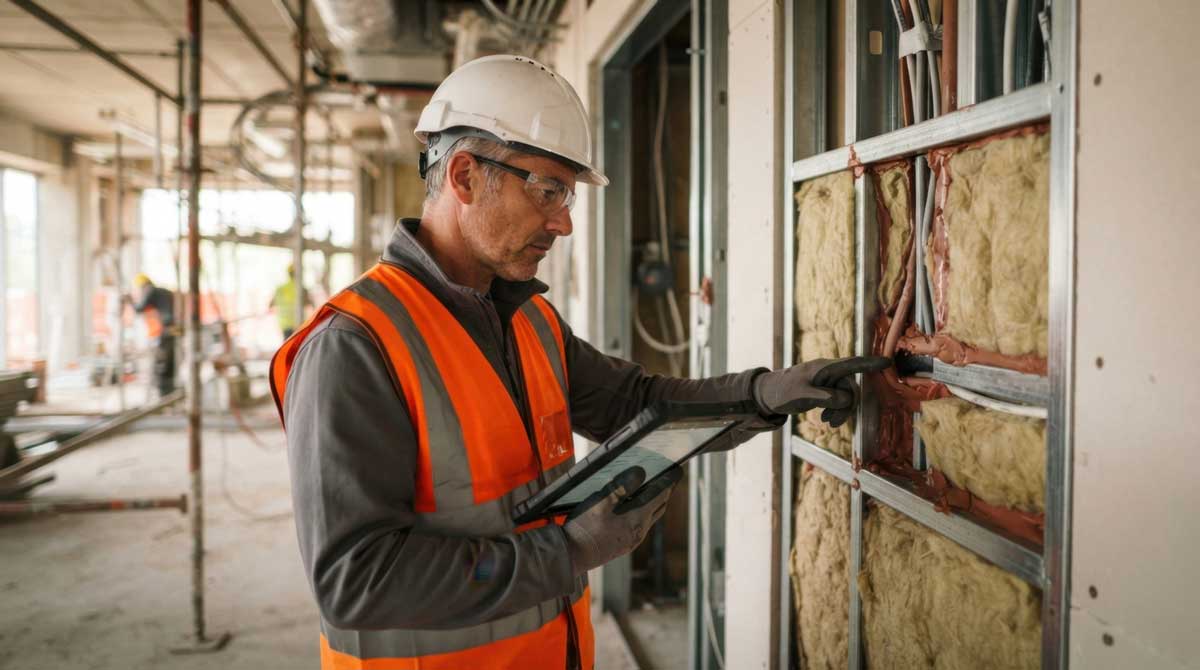
Passive fire protection can often be hidden behind walls, above ceilings and inside service areas. Once installed, it can be easy for it to be overlooked. However, changes to a building or change of use within a space can affect the effectiveness of the system.

Maintenance teams, electricians, plumbers, IT contractors and refurbishment contractors may all need to create new openings through fire-resistant construction as part of their work. Without suitable fire stopping afterwards, these relatively routine alterations can affect the integrity of a fire compartment.

Surveys, Inspections and Reporting

Many passive fire protection jobs start with an issue found during a Fire Risk Assessment or fire safety inspection.

Further checks may then be needed to understand the problem and decide what work is required.

A survey can look at areas such as fire stopping, fire compartmentation, service penetrations and fire-resistant walls and floors, as well as any other passive fire protection that may need attention.

The findings can be recorded in a report identifying defects, any areas requiring further investigation and recommended remedial work. Midland Fire can then help arrange quotations and manage the next steps.

Fire door maintanence by midland fire

How Can Fire Compartmentation Become Compromised?

Buildings change over time. New electrical circuits may be installed. Data cables might be added. Plumbing may be altered. Heating and ventilation systems can be replaced. Rooms may be refurbished or layouts changed. Each of these works can potentially affect existing compartmentation.

Common problems can include:

Unsealed holes around cables and pipes

Gaps around ducts and ventilation systems

Openings above suspended ceilings

Missing or damaged cavity barriers

Damage caused during other building works

Inappropriate materials being used to fill openings

Completed Projects

the oaks coventry student accommodation

Related Project – The Oaks, Coventry

The Oaks is a purpose-built student accommodation development in Coventry where fire compartmentation forms an important part of the building’s overall fire safety strategy.

Bedrooms, shared areas, corridors and key escape routes were designed with one-hour fire compartments to help restrict the spread of fire and support the building’s evacuation strategy.

Fire Stopping

Buildings need lots of services running through them, including electrical cables, pipes and ductwork.

These services often need to pass through fire-resistant walls and floors.

When a hole is made for a pipe, cable or duct, it can weaken the fire protection of that wall or floor if it is not sealed correctly.

Fire stopping is used to seal these openings and help stop fire and smoke passing from one area of the building to another.

The right fire stopping solution will depend on the type of opening, the surrounding materials and the level of fire protection required.

If fire stopping problems are found, we can help identify what needs to be done and manage the remedial work.

Passive Fire Protection and Compliance

In England and Wales, the Regulatory Reform (Fire Safety) Order 2005 places responsibilities on those in charge of relevant premises to assess and manage fire risks and maintain appropriate fire safety measures. Building Regulations also include requirements around fire compartmentation and sealing openings in fire-resistant walls and floors.

Regular Fire Risk Assessments and inspections can help identify damaged, missing or unsuitable passive fire protection.

If problems are found, Midland Fire can help you understand what needs attention and manage the work needed to put it right.

midland fire emergency lighting

Contact us today to discuss your next project or request a site assessment.

01283 741000
Monday-Friday: 08:30-16:30
info@midlandfire.com


    *Required

    **By opting in to our newsletter, you agree to be contacted via SMS, email, or phone for the purpose of providing a quote and/or marketing other products/services offered by Midland Fire Security Services. Please note that your data will never be sold to third parties by us.