Top Fire Safety Mistakes Businesses Make and How to Avoid Them in 2026
Fire safety may not be the easiest or most exciting part of running a business, but it’s arguably one of your most important considerations. Fire safety compliance is a legal duty for business owners, so it’s surprising how often we see the same mistakes being made when it comes to implementing effective fire safety measures in the workplace.
Outdated risk assessments, poorly maintained alarm systems, damaged fire doors and staff who aren’t quite sure what to do in the face of an emergency are among the common problems that we see time and again on the job. And sadly, in our experience, most workplace fires aren’t caused by dramatic, unpredictable events – they actually happen because small oversights like this build up over time.
But don’t worry, there’s good news! Each of these mistakes is preventable, and with the right support you can make sure you avoid the risks of non-compliance, which include:
- Costly fines
- Operational disruption
- Business closure notices
- Prosecution and reputational damage
- Risk to life
In this guide, we’ll break down the most common fire safety mistakes we see businesses make, and, most importantly, explain how you can avoid them to keep your business fully protected in 2026 and beyond. For advice bespoke to your business, contact our experienced team at Midland Fire for a free site consultation.
Five Common Fire Safety Mistakes Made by Businesses
Treating the fire risk assessment as a one-off document
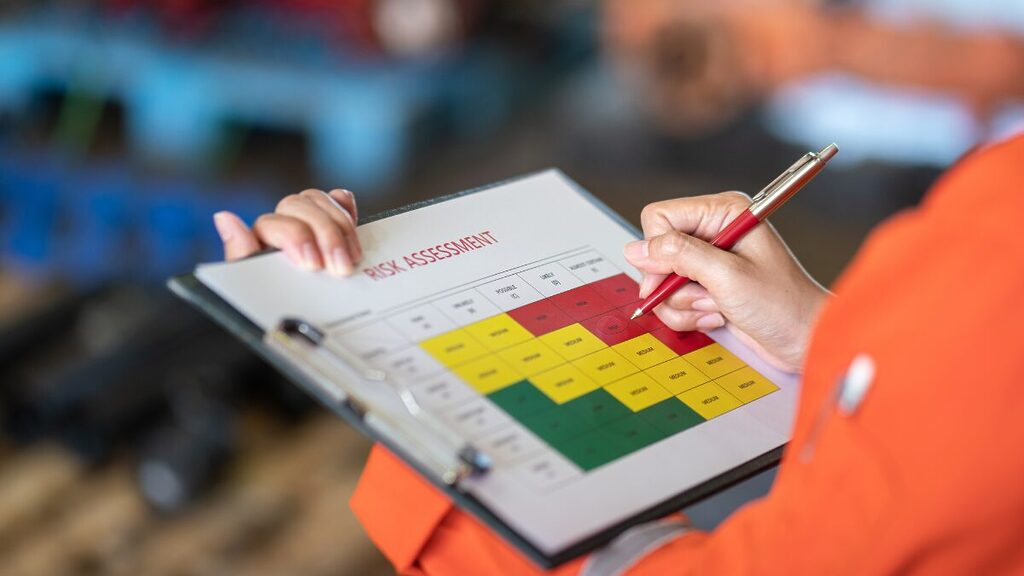
According to The Regulatory Reform (Fire Safety) Order 2005, a fire risk assessment is a legal requirement – but what some businesses don’t realise is that it needs to be kept up to date. This means that you need to carry out your fire risk assessment regularly (we recommend at least once a year) or when significant changes occur to your building or operations.
A fire risk assessment completed several years ago may no longer reflect your business, so renovations, layout changes, new equipment or increased staff numbers should be taken into consideration. An up-to-date FRA keeps you fully compliant and ensures your business is fully protected from the risk of fire.
The solution
Firstly, you must appoint a “Responsible Person” who makes sure that assessments are carried out and kept up to date. That person should then hire a BAFE-accredited fire safety contractor to carry out your FRA, advise on how often it should be renewed, and action any recommendations. If you have five or more employees, a record must be kept of your FRA and any significant findings.
Ignoring fire door integrity
This is an extremely common mistake, and one that we unfortunately see too often. Damage to fire doors can easily go unnoticed, and sometimes staff treat them as normal doors rather than important tools for stopping internal fire spread. Issues include:
- Doors wedged open.
- Damaged or missing intumescent seals.
- Fire door gaps exceeding the recommended 3mm clearance.
- Poor door alignment and damaged closers.
The solution
It’s important to get your fire doors regularly inspected and keep them maintained as you would any of your other fire safety equipment, checking for correct installation and any damage to seals, hinges and closures. Fire doors should be clearly labelled, fitted with intumescent strips and smoke seals, and have compliant self-closing mechanisms. And, crucially, it’s always worth checking they aren’t being propped open.
Inadequate workplace fire safety training
One of the biggest fire safety mistakes businesses make is assuming a quick fire induction chat with new staff is enough. But inadequate workplace fire safety training like this leaves staff unsure of how to raise the alarm or evacuate safely, and they may not know how to use extinguishers correctly.
Over time, procedures can get forgotten, new starters aren’t passed on all the key information, and bad habits creep in.
The solution
Regular training and practical fire drills are key here. You should appoint fire wardens and provide thorough inductions as well as annual refreshers, documenting who attends. It’s also important to update your staff training whenever building layouts, staffing or procedures change.
Not maintaining or upgrading life safety systems
Something our team often comes across is businesses failing to properly maintain the life saving equipment that they’ve had installed. Many managers think that once they’ve got the correct systems installed their job is done, but actually installation is only the first step.
It’s a legal requirement to keep your fire alarm systems properly maintained, which means regular testing and servicing to make sure your equipment is working as it should be. By doing this, you’re making sure your business property is fully compliant, your insurance remains valid and that you’re not putting your staff and visitors at unnecessary risk.
The solution
Instead of installing your life safety systems and then forgetting about them, you should schedule routine checks or set up a Planned Preventative Maintenance (PPM) agreement from the get-go. Regular testing and a full bi-annual service will pick up any problems so that you can get the appropriate repairs or upgrades sorted before it’s too late.
If you don’t have a PPM currently set up, don’t delay before the worst happens – get in touch and we can help at Midland Fire.
Not choosing a BAFE-accredited fire safety contractor
When choosing a company to install and maintain your life safety systems, it’s crucial that you check they’re on the BAFE register. Many businesses choose non-accredited contractors, or electricians without the correct fire safety training, risking poorly installed and non-compliant systems.
BAFE is the independent registration body for Third Party Certificated fire safety service providers across the UK, and being on their register means that a contractor has been independently assessed for competence in specific life safety services. It also means peace of mind for your business, knowing your entire life safety infrastructure is safe and sound.
The solution
This one’s easy: get in touch with Midland Fire. We’re a BAFE-accredited contractor specialising in commercial life safety systems that comply with British Standards.
Choose Midland Fire for Expert Life Safety System Installation and Maintenance
At Midland Fire, we’re BAFE-accredited experts in the installation and maintenance of all commercial fire and life safety systems. We work with businesses of all sizes, across a range of industries, and we can provide everything from your initial fire risk assessment to fire alarm installation to electrical contracting services, testing the safety of your electrical installations.
Our experienced engineers will keep your business fully protected and compliant with UK fire safety regulations and handle your fire safety strategy, making sure your business isn’t making any avoidable mistakes.
At Midland Fire WE PROTECT. Contact us today for your free consultation.
Your Burning Questions Answered
What are the risks of failing to comply with fire safety legislation?
Failing to comply with fire safety legislation can lead to heavy fines, prosecution, business closure, invalidated insurance and even imprisonment in serious cases. And beyond the legal consequences, you risk the safety of your staff and property, as well as reputational damage and costly disruption that could have been prevented.
How often should a fire risk assessment be reviewed?
A fire risk assessment should be reviewed regularly, at least annually, and whenever significant changes occur such as renovations, layout changes, new equipment or increased staff numbers. It must also be updated after any fire incident takes place.
How often should emergency lighting and fire alarms be tested?
Weekly testing and bi-annual professional services are required for full compliance. At Midland Fire, we can help you determine how often you need to test and service your equipment to remain safe and in line with the regulations.
Can I install a commercial life safety system myself?
No, you can’t. Commercial systems must be designed, installed and commissioned by a competent, qualified engineer. It’s best to choose a BAFE-accredited contractor like Midland Fire, so you can be sure that your fire alarm or life safety system is correctly installed and complies to all the safety standards.
What does it mean to be BAFE registered?
It means that Midland Fire has been independently assessed for competence in life safety system installation and maintenance, and can confidently deliver specific fire safety services, giving you total peace of mind. BAFE is the independent registration body for Third Party Certificated fire safety service providers across the UK, holding a national independent register of quality fire safety companies.
Do you offer fire risk assessments in Birmingham, Leicester and Nottingham?
Yes. Midland Fire provides professional fire risk assessments across Birmingham, Leicester, Nottingham, Coventry, Derby, Wolverhampton, Walsall, Worcester and surrounding areas. Our team helps businesses remain compliant while improving overall fire safety standards.